

Differences Between Hydraulics And Ball Screw
What is the difference between Hydraulics and Ball Screw?
Hydraulic and ball screw are two different mechanisms for converting rotary motion into linear motion, but they work in very different ways:
Hydraulics:
This uses pressurized fluid to create force. A pump pushes oil through a hose to a cylinder. The pressurized oil forces a piston inside the cylinder to move, creating linear motion. Hydraulic systems are powerful and can handle very high forces. They are commonly used in construction equipment, machine tools, and other heavy machinery.
Ball Screws:
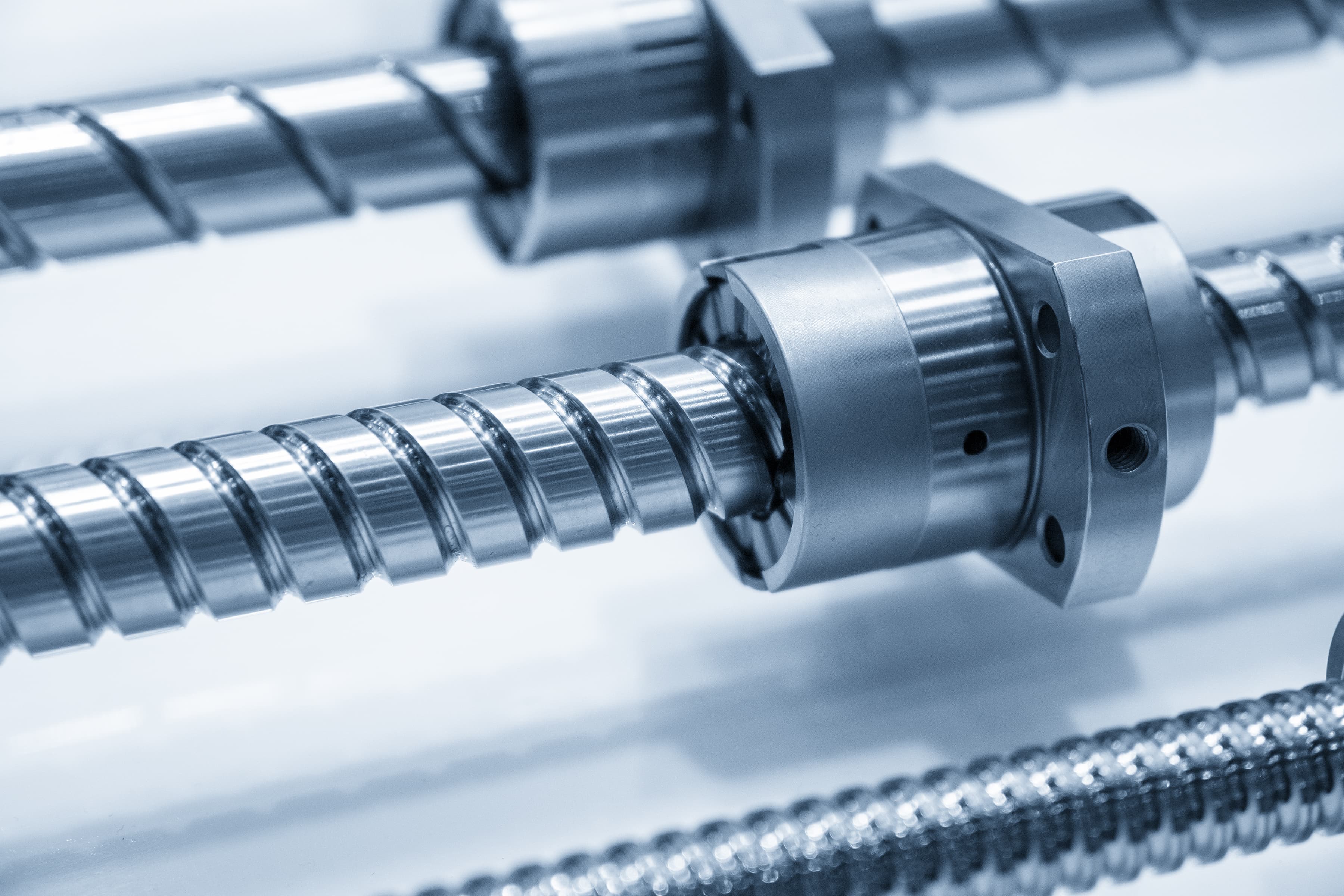
These use a threaded screw and nut with recirculating balls between the threads. Rotating the screw causes the balls to roll, driving the nut up or down the screw and creating linear motion. Ball screws are known for their precision, efficiency, and relatively clean operation. They are commonly used in CNC machines, robotics, and 3D printers.
Here's a table summarizing the key differences:
| Features | Hydraulics | Ball Screws |
|---|---|---|
| Operating Principle | Pressurized fluid | Threaded screw and nut with balls |
| Force | Very high force capacity | Moderate force capacity |
| Precision | Can be precise, but depends on system design | High precision |
| Efficiency | Lower efficiency due to friction in fluid flow | Higher efficiency due to rolling balls |
| Cleanliness | Requires oil, risk of leaks | Cleaner operation, no oil involved |
| Complexity | More complex system with pumps, valves, and hoses | Simpler system, easier to maintain |
| Cost | Generally more expensive due to additional components | Generally less expensive |
Ultimately, the choice between hydraulic and ball screw depends on the specific application requirements. Consider factors like required force, precision, cleanliness, and cost when making your decision.


